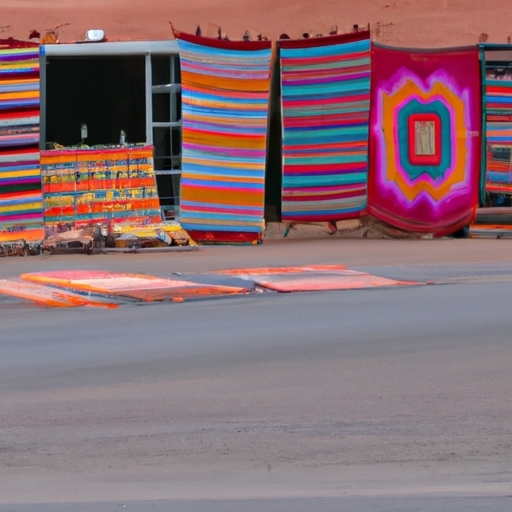
Navajo rugs are renowned for their intricate designs and rich colors, a true reflection of the Navajo culture and heritage. The creation of authentic Navajo rugs involves a meticulous process that has been passed down through generations.
One of the key elements in creating these stunning rugs is the use of high-quality materials. Traditionally, Navajo weavers used wool sourced from Churro sheep, which were brought to North America by Spanish settlers in the 16th century. This wool is prized for its softness, durability, and ability to hold vibrant dyes. Today, many weavers also use commercially available yarns in their creations.
The techniques used in weaving Navajo rugs are equally important in achieving their distinctive look. The most common technique employed is the tapestry weave, where threads are woven over and under each other to create intricate patterns and designs. Another technique often used is the twill weave, which results in diagonal lines or chevrons in the rug's design.
In addition to weaving techniques, dyeing plays a crucial role in creating authentic Navajo rugs. Natural dyes derived from plants such as indigo, cochineal insects, and sagebrush were traditionally used to achieve a wide range of colors. However, modern weavers also utilize synthetic dyes to achieve more vibrant hues.
Overall, the materials and techniques utilized in creating authentic Navajo rugs speak to the skill and artistry of the weavers who continue to carry on this time-honored tradition. Each rug tells a story and serves as a beautiful testament to the rich cultural heritage of the Navajo people.
Navajo rugs are known for their beautiful traditional designs and patterns that have been passed down through generations. These intricate designs often feature geometric shapes, bold colors, and symbols that hold deep cultural significance for the Navajo people.
One of the most iconic designs found in Navajo rugs is the diamond pattern, which represents the four sacred mountains that surround the Navajo homeland. Other common motifs include stylized animals like birds, horses, and sheep, as well as elements inspired by nature such as plants, water, and lightning.
These traditional designs are not only visually stunning but also carry a rich history and meaning behind them. Each rug tells a story and reflects the unique identity of the weaver who created it. The process of weaving a Navajo rug is a labor-intensive art form that requires skill, patience, and attention to detail.
Authentic Navajo rugs are highly sought after by collectors and enthusiasts around the world for their quality craftsmanship and timeless beauty. They serve as both functional pieces of art and cultural treasures that honor the traditions of the Navajo people.
In conclusion, Traditional designs and patterns found in Navajo rugs are more than just decorative elements – they are symbols of heritage, identity, and creativity that continue to inspire admiration and appreciation for Native American artistry.
Navajo rugs hold a special place in Native American culture, particularly within the Navajo tribe. These beautiful creations are not just decorative pieces, but they also carry significant cultural and historical importance.
First and foremost, Navajo rugs are highly valued for their craftsmanship and intricate designs. Each rug is handwoven by skilled artisans using traditional techniques that have been passed down through generations. The patterns and motifs found in Navajo rugs often hold deep spiritual and symbolic meanings, reflecting the tribe's connection to the natural world and their rich heritage.
In addition to their artistic value, Navajo rugs also play a practical role in tribal life. Historically, these rugs were used as clothing, blankets, and saddle blankets, providing warmth and protection during harsh winter months. Today, they continue to be cherished as heirlooms that are passed down from one generation to the next.
Furthermore, Navajo rugs serve as a source of pride for the Navajo people. They represent a link to their past and a way of preserving their cultural identity in a rapidly changing world. By continuing to create and appreciate these traditional artworks, the Navajo tribe is able to celebrate their unique heritage and keep alive the traditions of their ancestors.
Overall, the importance of Navajo rugs in Native American culture cannot be overstated. They are not simply objects of beauty; they are symbols of tradition, history, and identity for the Navajo people. As such, they deserve to be recognized and celebrated for their enduring significance in preserving an important aspect of Native American heritage.
When it comes to identifying authentic Navajo rugs from imitations, there are a few key things to look out for.
First and foremost, one of the most important factors to consider is the craftsmanship of the rug. Authentic Navajo rugs are hand-woven by skilled Navajo weavers using traditional techniques that have been passed down through generations. The quality of the weaving should be tight and uniform, with no loose threads or gaps in the design.
Another thing to consider is the materials used in the rug. Authentic Navajo rugs are typically made from natural fibers such as wool, cotton, or sometimes even silk. These fibers will have a soft feel and rich colors that are vibrant and long-lasting. In contrast, imitations may use synthetic materials that can feel stiff or plasticky, with dull or faded colors.
Additionally, authentic Navajo rugs often feature intricate geometric patterns and symbols that hold cultural significance for the Navajo people. These designs are carefully planned out and executed with precision, reflecting the weaver's skill and attention to detail. Imitations may feature simplistic or generic patterns that lack the depth and complexity of true Navajo designs.
Finally, it's always a good idea to purchase Navajo rugs from reputable sources who can provide documentation of authenticity or provenance. This can help ensure that you're getting a genuine piece of Native American artistry rather than a mass-produced knockoff.
In conclusion, by paying close attention to details such as craftsmanship, materials, design elements, and source documentation, you can better identify authentic Navajo rugs from imitations. This not only helps support indigenous artists but also ensures that you're investing in a truly unique and culturally significant piece of artwork.
Authentic Navajo rugs are not just ordinary home decor items; they are pieces of art that hold cultural significance and history. As such, it is important to take proper care of these beautiful creations to ensure their longevity and preserve their beauty for generations to come.
One of the most crucial care and maintenance tips for Navajo rugs is regular cleaning. Dust and dirt can easily accumulate on the rug's fibers, causing them to become dull and lose their vibrant colors over time. To prevent this, it is recommended to vacuum your Navajo rug regularly with a low-suction vacuum cleaner or simply shake it outdoors to remove any debris.
In addition to cleaning, it is also important to protect your Navajo rug from direct sunlight. Prolonged exposure to UV rays can cause fading and discoloration of the fibers, diminishing the rug's overall beauty. To prevent this, consider placing your rug in an area where it won't be exposed to harsh sunlight or use window treatments to block out harmful UV rays.
Furthermore, when storing your Navajo rug, make sure to roll it instead of folding it to avoid creases and damage to the fibers. You can also wrap the rolled rug in a clean sheet or cloth for added protection before storing it in a cool, dry place away from moisture and pests.
By following these simple care and maintenance tips, you can help preserve the beauty and integrity of your authentic Navajo rug for years to come. Remember, these exquisite pieces deserve special attention and care in order to maintain their cultural significance and aesthetic appeal.
If you're in the market for a genuine Navajo rug, you may be wondering where the best place to purchase one is. Authentic Navajo rugs are not only beautiful works of art, but they also hold cultural significance and are highly sought after by collectors and enthusiasts.
One of the best places to purchase genuine Navajo rugs is directly from Navajo weavers themselves. Many weavers sell their rugs at local markets, fairs, and festivals on or near the Navajo reservation. This allows you to meet the artist and learn about the tradition and craftsmanship that goes into each piece.
Another option is to visit reputable galleries or shops that specialize in Native American art and textiles. These establishments often have a curated selection of authentic Navajo rugs from various artists and regions. While prices may be higher than purchasing directly from a weaver, you can rest assured that you are getting a quality, authentic piece.
Online marketplaces such as Etsy or eBay can also be a source for purchasing genuine Navajo rugs. However, it's important to do your research and verify the authenticity of the seller before making a purchase. Look for sellers who provide detailed information about the rug's origins, materials used, and weaving techniques.
Ultimately, when purchasing a genuine Navajo rug, it's essential to support indigenous artists and communities while also ensuring that you are getting a high-quality, authentic piece of art. By doing your homework and buying from reputable sources, you can enjoy the beauty and craftsmanship of a true Navajo masterpiece in your home for years to come.