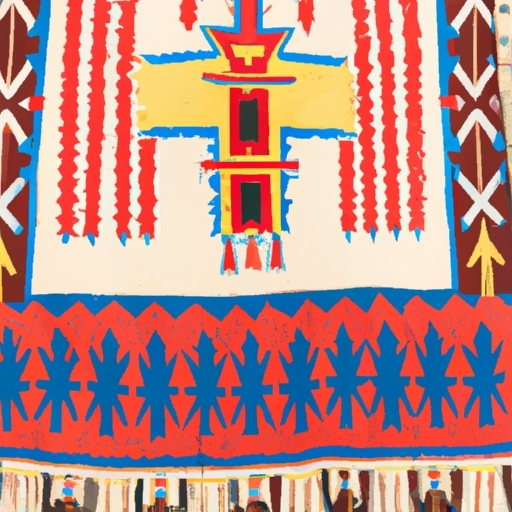
Traditional Native American rugs

History of Native American trade and commerce

Traditional Native American rugs

Native American rug weaving holds a deep history and significance within Indigenous communities across North America. For centuries, Native Americans have utilized traditional weaving techniques to create intricate patterns and designs that reflect their cultural heritage and connection to the land.

Rug weaving has been a long-standing tradition among many Native American tribes, with each tribe developing their own unique style and symbolism in their designs. These rugs were not only used for practical purposes such as clothing or bedding, but also held spiritual significance as symbols of protection, storytelling, and identity.

The art of rug weaving has been passed down through generations, with knowledge of techniques and patterns being shared within families and communities. Many Native American weavers continue to preserve these traditions today, using natural materials such as wool from sheep or plants like yucca or cotton to create beautiful works of art.

The significance of Native American rug weaving extends beyond just the physical creations themselves. These rugs serve as a powerful reminder of the resilience and creativity of Indigenous peoples in the face of colonization and oppression. They are a testament to the enduring strength of Native American cultures and their ability to adapt and thrive in changing times.

In conclusion, Native American rug weaving is more than just a craft - it is a living expression of culture, history, and identity. The beauty and complexity of these rugs reflect the rich tapestry of Indigenous traditions that continue to inspire awe and admiration around the world.

native american people Shops

Traditional crafts and products sold in Native American shops

    Traditional Native American rugs are a beautiful and intricate art form that has been passed down through generations. The materials used in creating these stunning pieces play a crucial role in the overall quality and appearance of the rug.

    One of the most commonly used materials in traditional Native American rugs is wool. Wool is prized for its durability, softness, and ability to hold vibrant dyes. Sheep were introduced to North America by Europeans, but many Native American tribes quickly adapted wool into their weaving practices. Some tribes even began raising their own sheep to have a steady supply of wool for their rugs.

    Another important material used in traditional Native American rugs is cotton. Cotton was not native to North America but was traded with European settlers or acquired through other means. Cotton was often used as a weft material in Navajo rug weaving, adding texture and depth to the final product.

    In addition to wool and cotton, natural plant fibers such as yucca and cedar bark were also utilized by some tribes in their rug making. These fibers were often dyed using natural pigments found in the surrounding environment, giving each rug a unique and earthy color palette.

    Overall, the materials used in creating traditional Native American rugs were carefully chosen for their quality, durability, and aesthetic appeal. These materials not only reflect the rich cultural heritage of Native American tribes but also showcase the skill and craftsmanship of the weavers who create these works of art.

    Handmade Native American rugs

    Impact of colonization on Native American businesses

    Native American rugs come in a variety of different styles and patterns, each one unique to the tribe or region from which it originates. These rugs are not only beautiful works of art, but they also hold deep cultural significance for the Native American people.

    One of the most well-known styles of Native American rug is the Navajo rug, which features intricate geometric patterns and bold colors. These rugs often incorporate traditional symbols such as diamonds, zigzags, and arrows, which have been passed down through generations. The designs on Navajo rugs are meant to represent elements of nature, animals, and sacred ceremonies.

    Another popular style of Native American rug is the Pueblo rug, which typically features more muted colors and simpler geometric patterns. These rugs are often woven using natural materials such as wool or cotton, and may include symbolic imagery related to spiritual beliefs or tribal history.

    In addition to these two styles, there are countless other variations of Native American rugs that can be found across different tribes and regions. Each one tells a unique story about the people who created it and their connection to their land and traditions.

    Overall, Native American rugs are not just decorative pieces – they are powerful symbols of heritage and identity. By preserving these traditional art forms, we can continue to honor and celebrate the rich cultural legacy of Indigenous peoples throughout North America.

    Contemporary challenges faced by Native American shop owners

    Weaving traditional Native American rugs is an intricate art form that has been passed down through generations. The techniques and methods used vary among different tribes, each with their unique style and patterns.

    One common method of weaving traditional Native American rugs is the use of a loom, which can be either vertical or horizontal. The weaver carefully selects the colors and designs for the rug before beginning the weaving process. Some tribes use natural dyes made from plants, berries, and minerals to create vibrant hues in their rugs.

    Another technique used in traditional Native American rug weaving is the twining method, where fibers are twisted together to create a tight weave. This method results in durable and tightly woven rugs that can withstand heavy foot traffic.

    Each tribe has its signature designs and patterns that hold cultural significance. For example, Navajo rugs often feature geometric shapes and symbols representing elements of nature or spiritual beliefs. On the other hand, Hopi rugs may incorporate intricate motifs inspired by pottery designs or kachina dolls.

    Overall, weaving traditional Native American rugs requires patience, skill, and a deep connection to one's heritage. It is a labor-intensive process that yields beautiful pieces of art that not only serve as functional decor but also carry on the rich traditions of indigenous peoples for future generations to appreciate.

    Strategies for supporting and promoting Native American-owned businesses

    Native American rugs hold a deep cultural significance, with each intricate design carrying its own symbolism and meaning. These traditional rugs are not merely decorative pieces, but rather a reflection of the rich history and beliefs of Native American tribes.

    The patterns found in Native American rugs often draw inspiration from nature, such as animals, plants, and landscapes. Each symbol holds its own significance, representing different aspects of tribal life and spirituality. For example, the diamond shape is commonly used in Navajo rugs to represent the four sacred mountains that surround their homeland.

    Colors also play a crucial role in conveying meaning in Native American rugs. Red may symbolize strength and power, while blue represents wisdom and spirituality. The use of natural dyes sourced from plants further enhances the connection between the rug and the earth.

    Overall, Native American rugs serve as a form of storytelling through their designs. They reflect the traditions, values, and beliefs of indigenous peoples, allowing them to preserve their cultural heritage for future generations. By understanding the symbolism and meanings behind these intricate designs, we gain insight into the profound beauty and depth of Native American artistry.

    Traditional Native American rugs have long been admired for their intricate designs, vibrant colors, and cultural significance. These beautifully crafted textiles have been used by various tribes for centuries as a means of storytelling, communication, and artistic expression.

    In contemporary times, the popularity of traditional Native American rugs has only continued to grow. Many people are drawn to the rich history and craftsmanship that goes into creating these unique pieces. The intricate patterns and symbols woven into the rugs often hold deep spiritual or cultural meanings, making them not just decorative items but also important cultural artifacts.

    One reason for the enduring popularity of these rugs is their versatility. They can be used in a variety of ways, from adding a touch of warmth and color to a room to serving as statement pieces in modern interior design. Additionally, many people appreciate the authenticity and connection to nature that traditional Native American rugs bring into their homes.

    Furthermore, there has been a recent resurgence in interest in supporting Indigenous artists and communities. By purchasing traditional Native American rugs directly from tribal artisans or organizations, consumers are able to support these communities economically while also preserving their cultural heritage.

    Overall, the contemporary uses and popularity of traditional Native American rugs speak to our collective appreciation for artistry, culture, and history. These timeless pieces continue to captivate us with their beauty and meaning, ensuring that they will remain cherished treasures for generations to come.

    Frequently Asked Questions


    Wool, cotton, and natural plant fibers such as yucca and corn husks.
    Geometric patterns, animals, plants, and spiritual symbols.
    They are usually handwoven on a loom using traditional techniques passed down through generations.
    Yes, Navajo rugs are particularly famous for their intricate designs and high-quality craftsmanship.
    Look for certifications from organizations like the Indian Arts and Crafts Association or buy directly from reputable tribal artisans or shops.