native american people Shops

History of Native American trade and commerce

native american people Shops

Trade and commerce have long been integral parts of Native American cultures, playing a significant role in the lives of indigenous peoples throughout history. The history of Native American trade and commerce is rich and diverse, reflecting the complex relationships between tribes, as well as with European settlers and colonizers.

Before the arrival of Europeans in North America, Native Americans engaged in extensive trade networks that spanned vast distances, connecting tribes from different regions and allowing for the exchange of goods such as food, clothing, tools, and weapons. These trade routes were essential for maintaining social connections and fostering alliances between tribes.

With the arrival of European settlers came a new era of trade and commerce for Native Americans. The fur trade, in particular, played a crucial role in shaping economic relationships between indigenous peoples and European traders. Native Americans traded furs such as beaver pelts for manufactured goods like guns, blankets, and metal tools.

As European colonization expanded across North America, native peoples were increasingly marginalized from their traditional trading practices. Many tribes were forced to rely on trading posts established by European settlers, which often exploited indigenous labor and resources for profit.

Despite these challenges, Native American communities have continued to engage in trade and commerce to this day. Many tribes operate businesses such as casinos, tourist attractions, arts and crafts markets, and online stores to generate income and promote cultural preservation.

The history of Native American trade and commerce is a testament to the resilience and adaptability of indigenous peoples in the face of changing economic landscapes. By continuing to honor their traditions while embracing new opportunities for economic growth, native communities are able to thrive in an ever-evolving global marketplace.
native american people Shops

Traditional crafts and products sold in Native American shops

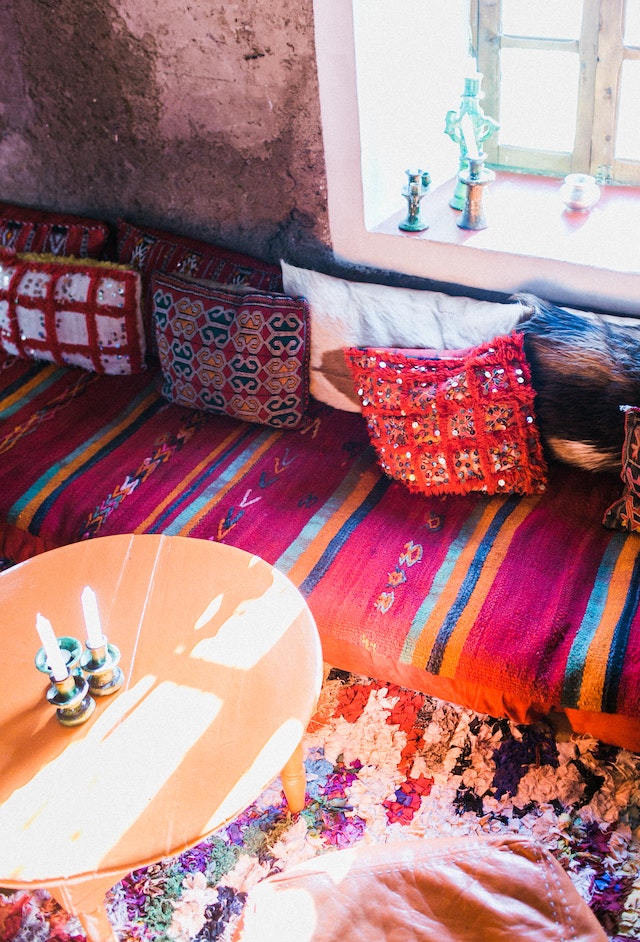
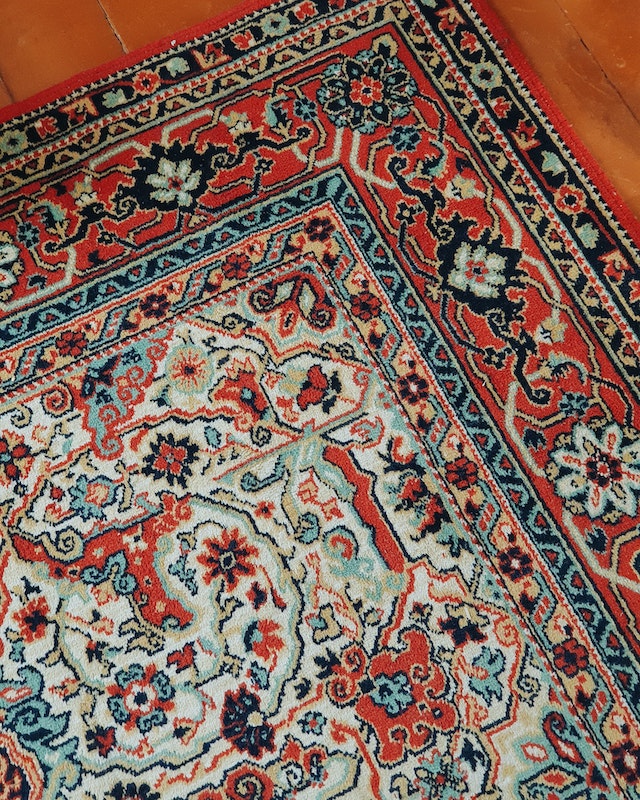
    Native American shops offer a wide variety of traditional crafts and products that showcase the rich cultural heritage of indigenous peoples. These items are carefully handcrafted by skilled artisans using techniques that have been passed down through generations. From intricate beadwork to beautifully woven textiles, each piece tells a story of tradition and history.

    Visiting a Native American shop is like stepping into a world filled with vibrant colors, unique designs, and a deep connection to the land. You can find everything from handmade jewelry and pottery to leather goods and dreamcatchers. Each item is infused with the spirit of the people who created it, making it more than just an object – it is a piece of art that carries meaning and significance.

    By purchasing traditional crafts and products from Native American shops, you are not only supporting local artists and communities but also preserving their cultural heritage for future generations. These items are more than just souvenirs – they are a way to connect with the past and honor the traditions of indigenous peoples.

    So next time you visit a Native American shop, take the time to appreciate the craftsmanship and artistry that goes into each piece. Whether you are looking for a unique gift or simply want to immerse yourself in the beauty of native culture, these shops offer something special that can't be found anywhere else.

    Impact of colonization on Native American businesses

    Impact of colonization on Native American businesses

    The impact of colonization on Native American businesses has been profound and lasting. Before European settlers arrived on the continent, Native Americans had their own systems of trade and commerce that were integral to their societies. However, with the arrival of colonizers came a disruption of these traditional systems.

    Colonization brought about significant changes in the economy of Native American tribes. Many tribes were forced off their land or had their resources exploited for profit by colonizers, leading to a loss of control over their own natural resources. This in turn affected the ability of Native American businesses to thrive and compete in the new economic landscape.

    Furthermore, colonization also brought about the introduction of new goods and products that competed with traditional Native American crafts and goods. This led to a decline in demand for traditional Native American products, affecting the livelihoods of many Indigenous artisans and craftsmen.

    Additionally, colonization also had a profound impact on the social and cultural fabric of Native American communities. The imposition of foreign laws and regulations often made it difficult for Native American businesses to operate freely and independently. Many tribes were forced into dependency on colonial powers for trade and resources, further weakening their economic autonomy.

    Despite these challenges, many Native American businesses have persevered and adapted to the changing economic landscape brought about by colonization. Today, there is a growing movement towards revitalizing traditional Indigenous economies and supporting Indigenous-owned businesses as a way to reclaim economic sovereignty.

    In conclusion, the impact of colonization on Native American businesses has been complex and multifaceted. While colonization brought about significant challenges for Indigenous entrepreneurs, there is hope for a resurgence in Indigenous entrepreneurship as tribes work towards reclaiming economic autonomy and self-determination.

    Native American textiles

    Contemporary challenges faced by Native American shop owners

    Running a shop as a Native American business owner comes with its own set of unique challenges in today's contemporary world. From navigating government regulations to competing with larger corporations, there are numerous obstacles that must be overcome in order to succeed.

    One of the biggest challenges faced by Native American shop owners is the issue of access to capital. Many Native American entrepreneurs struggle to secure funding for their businesses due to a lack of collateral or credit history. This can make it difficult to expand operations or invest in new technologies that could help improve efficiency and attract more customers.

    Additionally, Native American shop owners often face discrimination and stereotypes from both customers and suppliers. Some people may have preconceived notions about the quality of products or services offered by Native American-owned businesses, which can make it harder to build a loyal customer base.

    Another challenge is preserving cultural traditions while also adapting to modern business practices. Many Native American shop owners take pride in showcasing traditional art, crafts, and other products that reflect their heritage. However, they must also stay up-to-date with current trends and technology in order to remain competitive in today's fast-paced marketplace.

    Despite these challenges, many Native American shop owners are finding ways to overcome obstacles and thrive in the business world. By supporting one another through networking groups and mentorship programs, they are able to share resources and knowledge that can help them succeed.

    In conclusion, being a Native American shop owner presents its own set of contemporary challenges. However, with perseverance, innovation, and community support, many entrepreneurs are finding ways to overcome obstacles and create successful businesses that celebrate their cultural heritage while also embracing modernity.

    Contemporary challenges faced by Native American shop owners
    Strategies for supporting and promoting Native American-owned businesses

    Strategies for supporting and promoting Native American-owned businesses

    Supporting and promoting Native American-owned businesses is crucial for not only the economic growth of these communities, but also for preserving their cultural heritage and traditions. As a society, we must recognize the unique challenges that Native American entrepreneurs face and work towards creating strategies to help them succeed.

    One important strategy is to increase visibility and awareness of Native American-owned businesses. By actively seeking out and supporting these establishments, we can help boost their sales and customer base. This can be done through social media campaigns, community events, or partnerships with mainstream retailers.

    Another key strategy is to provide resources and support for aspiring Native American entrepreneurs. This could involve offering business training programs, access to funding opportunities, or mentorship from successful business owners in the community. By empowering individuals to start their own businesses, we are not only helping them achieve financial independence but also fostering a sense of pride in their cultural identity.

    Furthermore, it is essential to create a network of support for Native American-owned businesses. By connecting these entrepreneurs with each other and with larger organizations dedicated to minority entrepreneurship, we can facilitate collaboration and growth within the community. This network can also serve as a platform for sharing best practices, overcoming common challenges, and advocating for policies that benefit Native American businesses.

    In conclusion, supporting and promoting Native American-owned businesses requires a multifaceted approach that addresses both the economic and cultural needs of these communities. By implementing strategies such as increasing visibility, providing resources, and fostering a supportive network, we can help create a more inclusive economy where all entrepreneurs have the opportunity to thrive. Let us come together as allies in this effort and champion the success of Native American-owned businesses across the country.

    Frequently Asked Questions


    In a Native American people shop, you can find traditional crafts, jewelry, clothing, artwork, and other culturally significant items.

    Yes, most Native American people shops sell authentic handcrafted items made by indigenous artists and artisans.

    By purchasing goods from Native American people shops, you are supporting indigenous artists and contributing to the preservation of their cultural heritage.