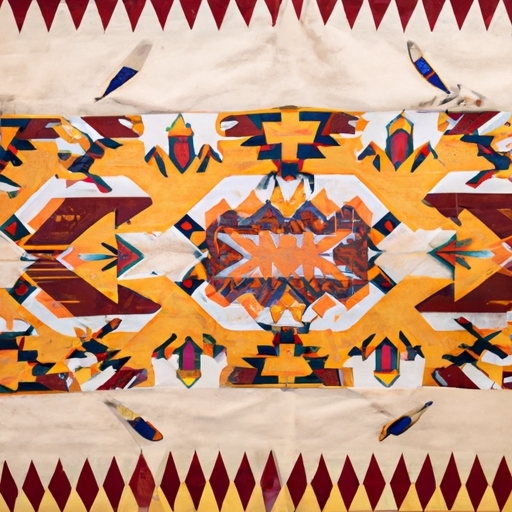
Native American textiles

History of Native American trade and commerce

Native American textiles

Traditional weaving techniques have played a crucial role in the history and culture of Native American textiles. For centuries, indigenous communities across North America have used intricate methods to create beautiful and functional garments, blankets, and rugs that reflect their unique cultural identities.

These traditional weaving techniques are not simply about creating textiles, but also about preserving cultural heritage and passing down important knowledge from generation to generation. The designs and patterns woven into these textiles often hold deep spiritual and symbolic meanings, telling stories of creation, nature, and community.

The significance of traditional weaving techniques for Native American communities cannot be overstated. They are a way of connecting with ancestors, honoring traditions, and maintaining cultural identity in the face of colonization and modernization. Through the art of weaving, indigenous peoples are able to express their values, beliefs, and experiences in a tangible form that can be shared with others.

Today, many Native American weavers continue to practice these traditional techniques as a way of keeping their cultural heritage alive. By learning from elders and participating in workshops and demonstrations, younger generations are able to carry on this important legacy for years to come.

In conclusion, the history and significance of traditional weaving techniques for Native American textiles is deeply intertwined with the rich tapestry of indigenous cultures across North America. These techniques serve as a powerful reminder of the resilience, creativity, and ingenuity of native peoples who have long thrived in harmony with the land.

Traditional Native American rugs

Traditional crafts and products sold in Native American shops

    Native American textiles are a beautiful and intricate art form that has been passed down through generations within different tribes. Each tribe has its own unique textile traditions, showcasing their cultural heritage and artistic expression.

    The Navajo tribe, for example, is well-known for their stunning woven rugs and blankets. They use traditional techniques such as tapestry weaving and natural dyes to create intricate geometric patterns that tell stories of their history and beliefs.

    The Hopi tribe also has a rich textile tradition, known for their intricate embroidery work on garments such as dresses and sashes. These designs often feature symbols of nature and spirituality, reflecting the close connection the Hopi people have with the land.

    The Cherokee tribe is known for their exquisite beadwork, which adorns clothing, accessories, and ceremonial regalia. Each bead design holds special significance, representing aspects of Cherokee culture and history.

    Overall, Native American textiles serve as a powerful form of cultural expression, connecting tribes to their past while also creating beautiful works of art that are admired worldwide. Through these unique traditions, each tribe showcases the beauty and diversity of Native American craftsmanship.

    Impact of colonization on Native American businesses

    Native American textiles have a rich history of using natural materials in their creation. From the soft and durable fibers of cotton and wool to the intricate designs made from plant dyes, Native peoples have long relied on the resources provided by the earth to craft beautiful and functional textiles.

    Using natural materials not only connects Native American artisans to their cultural heritage, but it also reflects a deep respect for the environment and a sustainable way of living. By harvesting plants like indigo, cochineal, and madder root for dyeing fabrics, Indigenous communities are able to create vibrant colors that are both eco-friendly and long-lasting.

    The use of natural materials in creating textiles also speaks to the resourcefulness and ingenuity of Native peoples. Whether weaving intricate patterns into blankets, rugs, or clothing or hand-sewing beads onto leather garments, these traditional techniques showcase the skill and artistry passed down through generations.

    Incorporating natural materials into textile production is not just about aesthetics; it is a way of preserving cultural traditions and honoring the connection between humans and nature. By continuing to utilize plants, animals, and minerals in their creations, Native American artisans are keeping alive a legacy that dates back centuries while also promoting sustainability and environmental stewardship in today's modern world.

    native american people Shops

    Contemporary challenges faced by Native American shop owners

    Storytelling and symbolism are deeply ingrained in the tradition of Native American textiles. These intricate designs not only serve as aesthetic expressions but also hold profound cultural significance.

    Through storytelling, Native American textile artists convey the history, beliefs, and values of their tribes. Each pattern and motif tells a story, whether it be about creation myths, spiritual journeys, or the interconnectedness of all living beings. By weaving these narratives into their textiles, artists preserve their heritage and pass down knowledge to future generations.

    Symbolism plays a crucial role in Native American textile designs as well. Colors, shapes, and patterns are carefully chosen to represent specific concepts or emotions. For example, the use of geometric shapes may symbolize balance and harmony, while certain animal motifs could signify strength or protection.

    Furthermore, symbolism in textiles serves as a form of communication within tribal communities. Different patterns may indicate one's clan affiliation or social status, allowing individuals to express their identity through their clothing.

    In conclusion, storytelling and symbolism are essential elements of Native American textile designs. They not only enhance the beauty of the artwork but also carry deep cultural meanings that connect past with present and bind communities together. By understanding the importance of these traditional practices, we can appreciate the rich tapestry of Native American culture woven into every thread of their textiles.

    Strategies for supporting and promoting Native American-owned businesses

    The influence of European colonization on Native American textile production was profound and far-reaching. Before the arrival of European settlers, Indigenous peoples in North America had long been creating intricate textiles using materials such as cotton, wool, and plant fibers.

    However, with the introduction of new weaving techniques, dyes, and materials by the Europeans, Native American textile production underwent significant changes. The use of silk, synthetic dyes, and industrial looms transformed traditional methods of textile creation. This led to a blending of Indigenous styles with European influences, resulting in unique and innovative designs.

    Additionally, European colonization brought about changes in trade patterns and economic systems that impacted Native American textile production. Trade networks expanded as textiles became valuable commodities for both Indigenous communities and European settlers. This increased demand for Native American textiles led to an evolution in design aesthetics as artisans adapted to new market demands.

    Despite these transformations, many Native American communities have continued to preserve their traditional textile practices through generations. Today, there is a resurgence in interest in Indigenous textiles as artists reclaim their cultural heritage and incorporate contemporary influences into their work.

    In conclusion, the influence of European colonization on Native American textile production has been complex and multifaceted. While it brought about significant changes to traditional methods and designs, it also sparked innovation and creativity among Indigenous artisans. By honoring the past while embracing the present, Native American textiles continue to be a vibrant expression of cultural identity and resilience.

    Native American textiles have a rich history and cultural significance that spans generations. In recent years, there has been a contemporary revival and preservation effort to ensure that these traditional art forms are not lost or forgotten.

    Through the dedication of Native American artists, educators, and activists, there has been a renewed interest in learning and practicing the techniques of weaving, beading, and embroidery that have been passed down through centuries. This revival has not only helped to preserve the unique aesthetic beauty of Native American textiles but also serves as a way to honor and celebrate indigenous cultures.

    One of the key aspects of this revival is the recognition of the importance of traditional knowledge and skills in creating authentic Native American textiles. Many communities have established programs and workshops to teach younger generations about their cultural heritage and how to create their own textile pieces using traditional methods.

    Additionally, there has been an increased focus on supporting indigenous artists and artisans by providing them with opportunities to showcase their work at galleries, museums, and cultural events. This exposure not only helps to promote awareness about Native American textiles but also provides economic support for those who are keeping these traditions alive.

    Overall, the contemporary revival and preservation efforts in Native American textile art are essential for ensuring that these beautiful art forms continue to thrive for future generations. By honoring the past while embracing innovation, we can help to keep these important cultural traditions alive for many years to come.

    Frequently Asked Questions


    To ensure ethical sourcing, look for shops that have partnerships with tribal communities or display certifications guaranteeing authenticity and fair trade practices.