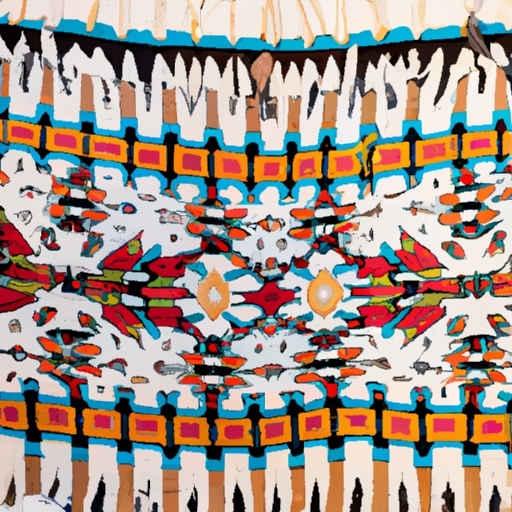
Native American woven rugs

History of Native American trade and commerce

Native American woven rugs

Woven rugs hold a deep history and significance within Native American culture. These intricate pieces of art have been crafted by indigenous tribes for centuries, serving as both practical household items and symbolic expressions of their cultural identity.

The tradition of weaving rugs has been passed down through generations, with each pattern and design holding its own unique story. The intricate designs often incorporate symbols and motifs that are meaningful to the tribe creating them, such as animals, plants, or geometric shapes that represent aspects of their spiritual beliefs or daily life.

In addition to their aesthetic value, woven rugs also serve practical purposes within Native American communities. They are used as blankets, wall hangings, prayer mats, and even currency in some tribes. The craftsmanship and skill required to create these rugs make them highly sought after by collectors and art enthusiasts around the world.

Today, Native American woven rugs continue to be an important part of tribal traditions and ceremonies. They are treasured heirlooms passed down from generation to generation, preserving the rich heritage and cultural legacy of indigenous peoples. These beautiful works of art not only showcase the creativity and talent of Native American artisans but also serve as a powerful reminder of the resilience and strength of native cultures in the face of adversity.

Traditional crafts and products sold in Native American shops

    Native American tribes have a rich history of weaving techniques that have been passed down through generations. These techniques vary from tribe to tribe and are used to create beautiful woven rugs that are both functional and artistic.

    One common weaving technique used by many Native American tribes is the warp-faced weave. In this technique, the vertical threads (or warp) are tightly spaced and create a strong base for the rug. The weft threads (or horizontal threads) are then woven over and under the warp threads to create intricate designs and patterns.

    Another popular weaving technique is the twill weave, which creates diagonal lines in the rug. This technique allows for more complex patterns and designs to be created, adding depth and texture to the finished piece.

    Some tribes also use a technique called tapestry weaving, where different colored weft threads are woven in to create detailed images or scenes on the rug. This method requires great skill and patience, but results in stunning works of art that tell stories or represent tribal symbols.

    Overall, Native American woven rugs showcase a wide variety of weaving techniques that highlight each tribe's unique cultural heritage and artistic traditions. These rugs serve as not only practical items for daily use, but also as important pieces of art that celebrate Native American craftsmanship and creativity.

    native american people Shops

    Impact of colonization on Native American businesses

    Native American woven rugs are a beautiful and intricate art form that has been passed down through generations. The materials and dyes traditionally used in making these rugs play a crucial role in creating their unique patterns and colors.

    One of the most common materials used in Native American woven rugs is wool, particularly from sheep raised by the Navajo people. Wool is prized for its softness, durability, and ability to hold vibrant colors. Dyes made from natural sources such as plants, minerals, and insects were traditionally used to create the rich hues found in these rugs. These dyes were often gathered locally, with each color holding cultural significance to the weaver.

    The process of weaving these rugs is labor-intensive and requires great skill and patience. Each rug is carefully planned out, with intricate designs often representing elements of nature or spiritual beliefs. The weaver meticulously selects each thread and carefully follows traditional weaving techniques passed down through generations.

    Overall, the materials and dyes used in making Native American woven rugs contribute to their unique beauty and cultural significance. These rugs not only serve as functional pieces but also as works of art that tell stories of tradition, heritage, and craftsmanship.

    Contemporary challenges faced by Native American shop owners

    Native American woven rugs are not just beautiful works of art, they also hold deep cultural significance. Patterns, symbols, and motifs commonly found in these rugs often reflect the rich history and traditions of the Native American tribes who created them.

    One common motif found in Native American rugs is the diamond shape. This shape is believed to represent the Navajo belief in the four cardinal directions, as well as the interconnectedness of all things in nature. The diamond shape can be seen repeated throughout many traditional Navajo rug designs.

    Other common patterns found in Native American rugs include geometric shapes, such as triangles and zigzags, which often symbolize elements of nature like mountains or lightning. These patterns are not just visually appealing, but also serve as a way for weavers to pass down stories and teachings from one generation to the next.

    Symbols like feathers, arrows, and animals are also frequently woven into Native American rugs. Feathers are often associated with spirituality and protection, while animals like bears or eagles may symbolize strength or wisdom within a particular tribe’s culture.

    Overall, Native American woven rugs are more than just decorative pieces – they are intricate expressions of a tribe’s identity and heritage. By studying the patterns, symbols, and motifs found in these rugs, we can gain a deeper understanding of Native American history and culture.

    Strategies for supporting and promoting Native American-owned businesses

    Woven rugs play a vital role in Native American ceremonies and rituals, serving as both functional tools and sacred objects. These intricate creations are often made by skilled artisans using traditional techniques passed down through generations.

    In many Native American cultures, woven rugs are used to symbolize connection to the earth and the spiritual world. They are often incorporated into important ceremonies such as weddings, births, and coming-of-age rituals. The patterns and symbols woven into the rugs hold deep cultural significance, representing elements of nature, ancestors, and tribal stories.

    During ceremonies, woven rugs may be laid out as offerings or prayer mats for participants to sit or stand on. They provide a sense of grounding and connection to the land, helping individuals feel connected to their heritage and ancestors. The act of weaving itself is seen as a form of meditation and prayer, with each stitch representing an intention or blessing.

    Additionally, woven rugs are often used in healing ceremonies to create sacred spaces where individuals can connect with their spirituality and receive guidance from the spiritual realm. The intricate designs serve as visual aids for meditation and reflection, helping individuals focus their intentions on healing and transformation.

    Overall, woven rugs play a multifaceted role in Native American traditions, serving as both practical items for everyday use and powerful symbols of cultural identity and spirituality. Their presence in ceremonies helps to maintain a strong connection to tradition and ancestral wisdom while also providing a beautiful expression of artistry and craftsmanship.

    native american people Shops

    Native American woven rugs have seen a resurgence in popularity in contemporary times. These beautifully crafted pieces of art have a long history and cultural significance within Native American communities.

    In recent years, there has been a growing appreciation for the intricate designs and skilled craftsmanship that goes into creating these rugs. Many people are drawn to the rich colors and patterns that are characteristic of Native American weaving traditions. Additionally, there is a growing interest in supporting Indigenous artists and preserving traditional art forms.

    The use of Native American woven rugs has also become more widespread in interior design. These rugs add a unique and authentic touch to any space, whether it be a home or office. They can serve as both decorative pieces and functional floor coverings, making them versatile additions to any room.

    Furthermore, the popularity of Native American woven rugs has led to an increase in demand for these products. Many artists and weavers are finding success selling their work online or through galleries and museums. This newfound recognition has helped to support Indigenous communities and promote cultural awareness.

    Overall, the contemporary use and popularity of Native American woven rugs speak to the enduring beauty and significance of this traditional art form. As more people discover and appreciate these unique creations, they help to ensure that this important aspect of Native American culture will continue to thrive for generations to come.

    Frequently Asked Questions


    Yes, certain tribes such as the Navajo, Hopi, and Zuni have a long history of creating exceptional woven rugs that showcase their unique artistic styles and craftsmanship.